
Renate Braimah shares her 30 year journey exploring African art and sculpture through her AfricArt Open House
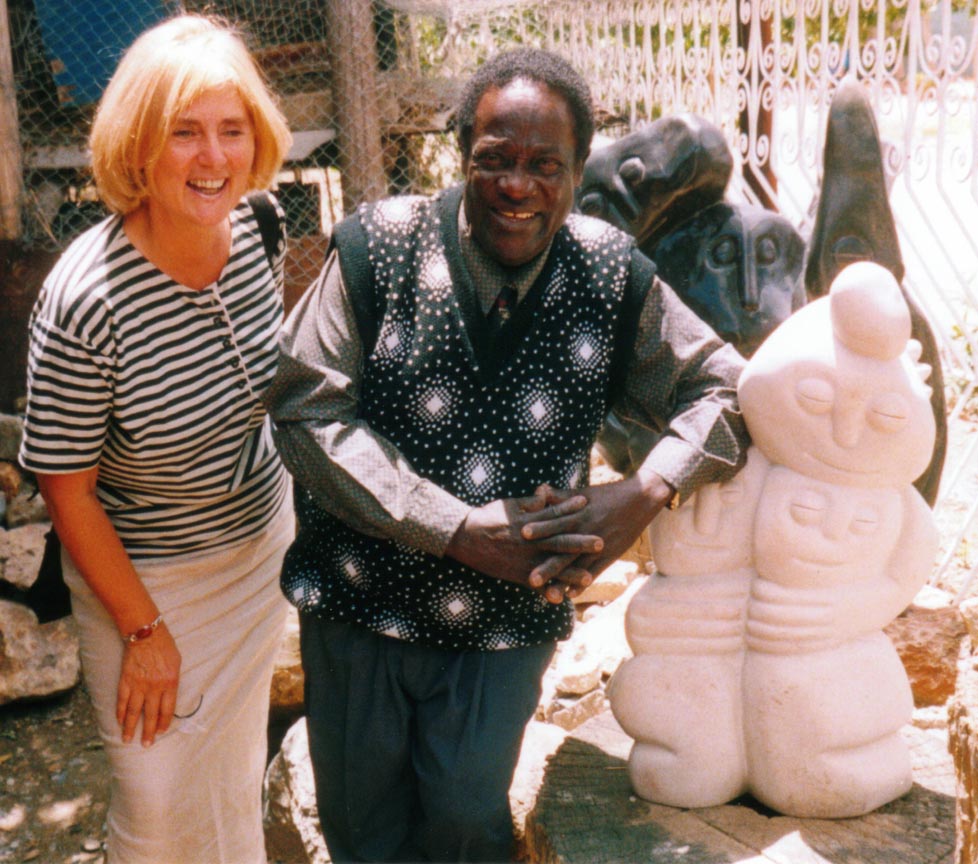
Hi Renate, You have been taking part in the Artists Open houses for many years, showing the work of Zimbabwean and Nigerian artists. Would you like to tell us a little about your history and connection with these countries and how you came to start exhibiting the work of these artists?
My journey into African art- spanning cultures as rich and diverse as those of Nigeria and Zimbabwe – has its roots partly in family, and partly in the Open Houses of Brighton.
My late husband was Nigerian, and after his death I travelled to Lagos to visit his family. During that visit, they took me to Osogbo, a town that gave its name to a remarkable Modernist art movement that emerged in the late 1950s: the Osogbo School of Art. When I first encountered it in the mid-1990s, the movement was still vibrant and evolving. I was completely overwhelmed – in the best possible way. I returned the following year to deepen my connection with the artists and their work. What captivated me was the unique fusion of traditional and spiritual themes with a stylised, often abstract, visual language.
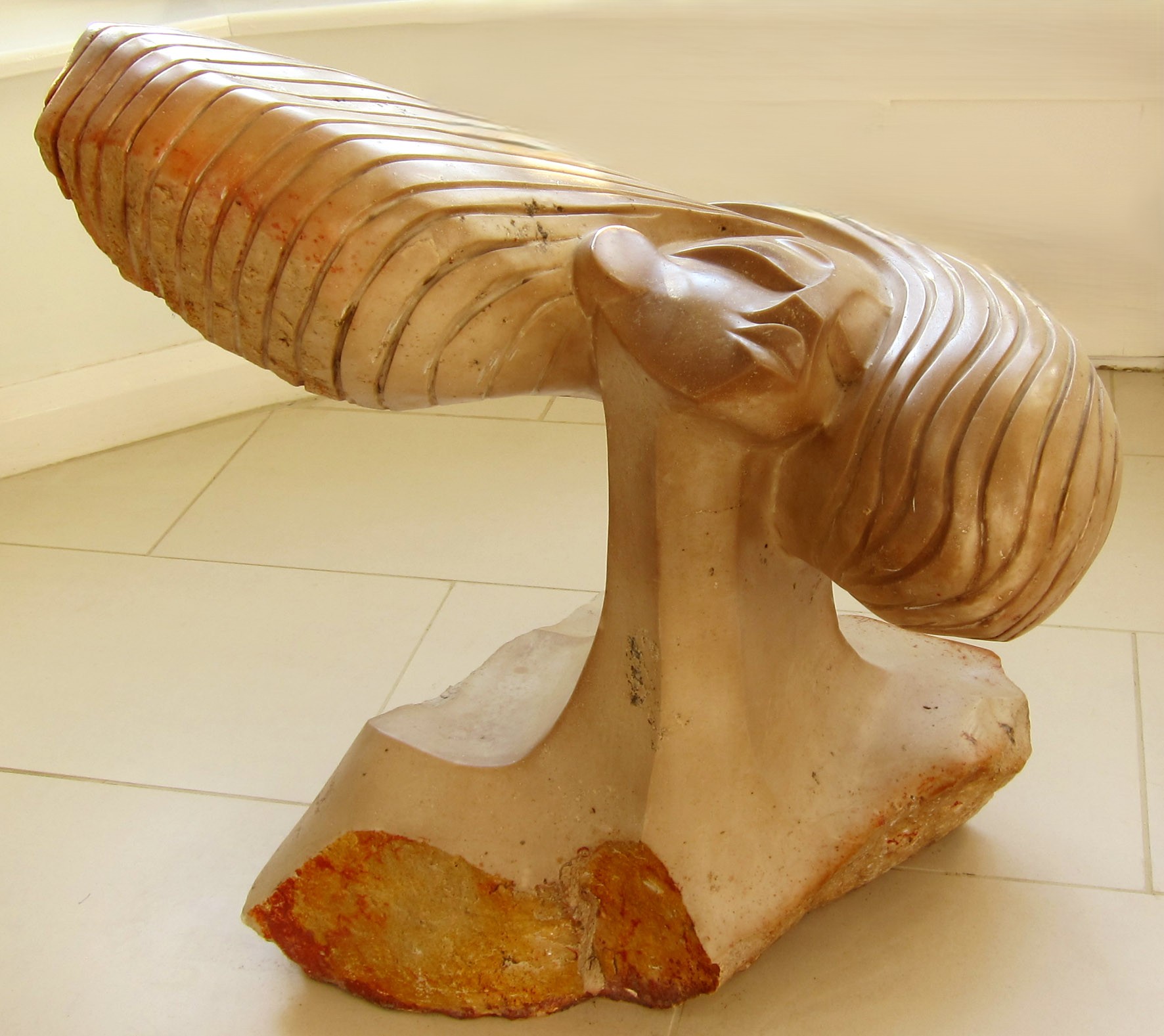
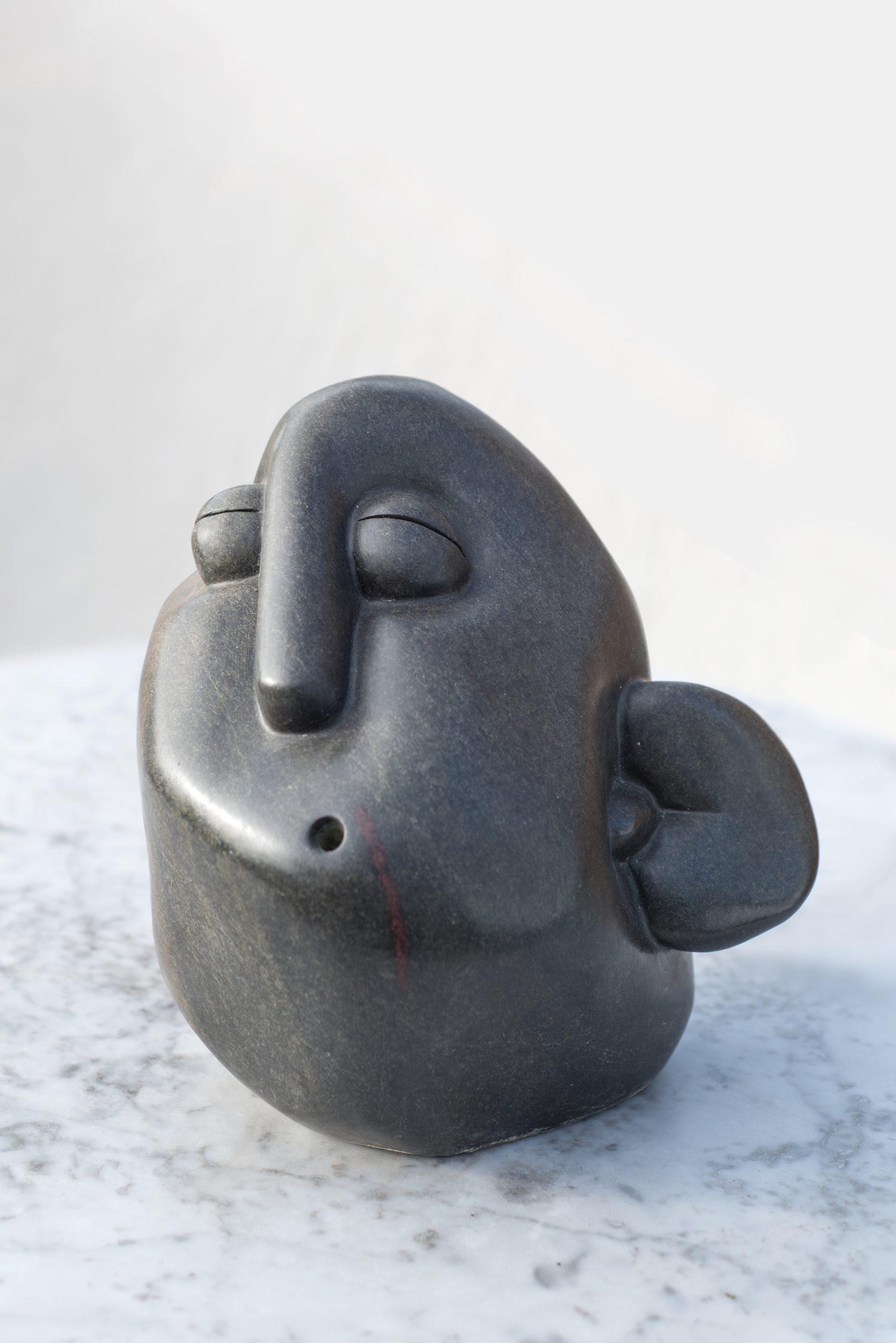 Fanizani Akuda – Whistling While Listening
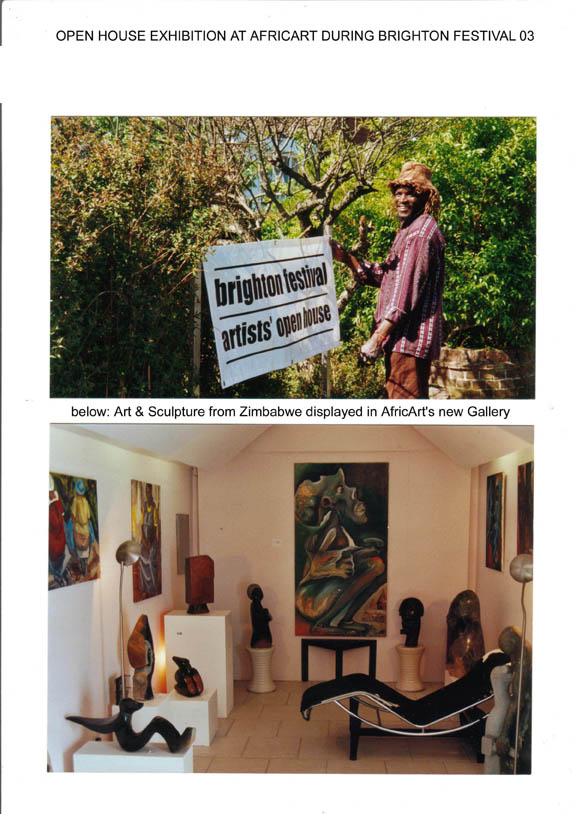
That same expressive quality is what drew me to Zimbabwean stone sculpture, often referred to as Shona sculpture. I first encountered these works at a Brighton Open House in the early 1990s, shortly after completing an MA focused on German Modernism, particularly Expressionism. It’s perhaps no surprise then that I was instantly smitten by these sculptures. Before long, I found myself on a flight to Zimbabwe – the first of many. And, as they say, the rest is history. Today, works by internationally renowned sculptors such as Joram Mariga, Sylvester Mubayi, Moses Masaya and Fanizani Akuda sit alongside pieces by emerging artists in my home and garden.
Why open my House? The reason I began showing and selling my collection during the Brighton Festival Open Houses is simple: because the opportunity was there – and because the work deserves to be seen.
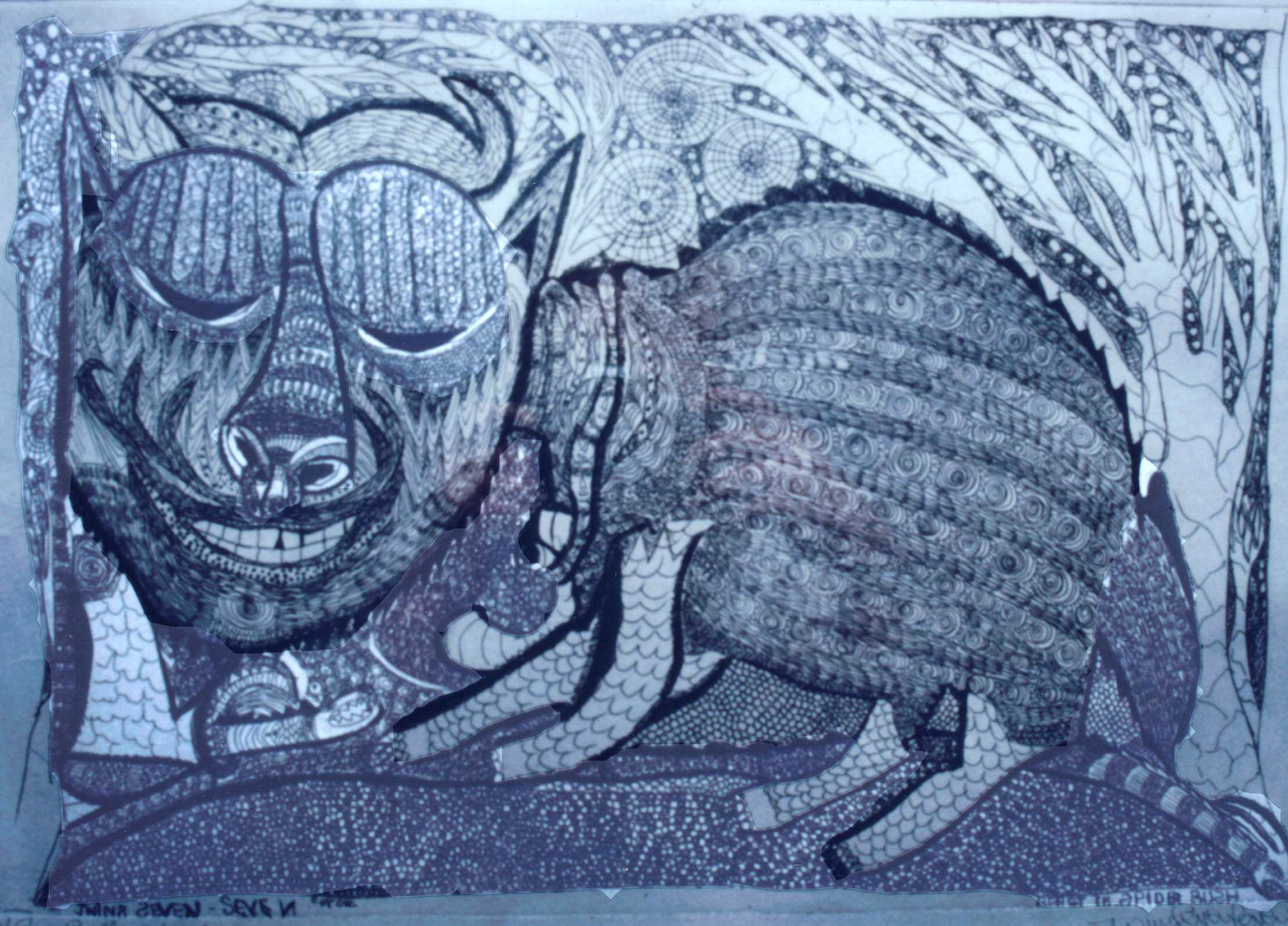 Twins Seven Seven- Ghost in the Spiderbush
This year you are showing work by some pretty famous Nigerian artists – some of whom are included on the current Tate Modern show Nigerian Modernism, such as Twins Seven Seven. Can you tell us a bit about these artists?
I take great pleasure in sharing my admiration for this Modernist, expressionist art with visitors. If someone falls in love with a piece and takes it home, that’s wonderful too. In earlier years, sales enabled me to return to Africa and acquire more work. Now, at a later stage in life, sales offer me the possibility of gradually downsizing – though I admit I would rather not part with too much. A recent visit to the Nigerian Modernism exhibition at Tate Modern brought back vivid memories of time spent with artists in Osogbo—talking, laughing, sharing meals, and yes, negotiating prices. Among them were Twins Seven Seven, Rufus Ogundele and Nike Davies-Okundaye to name but a few.
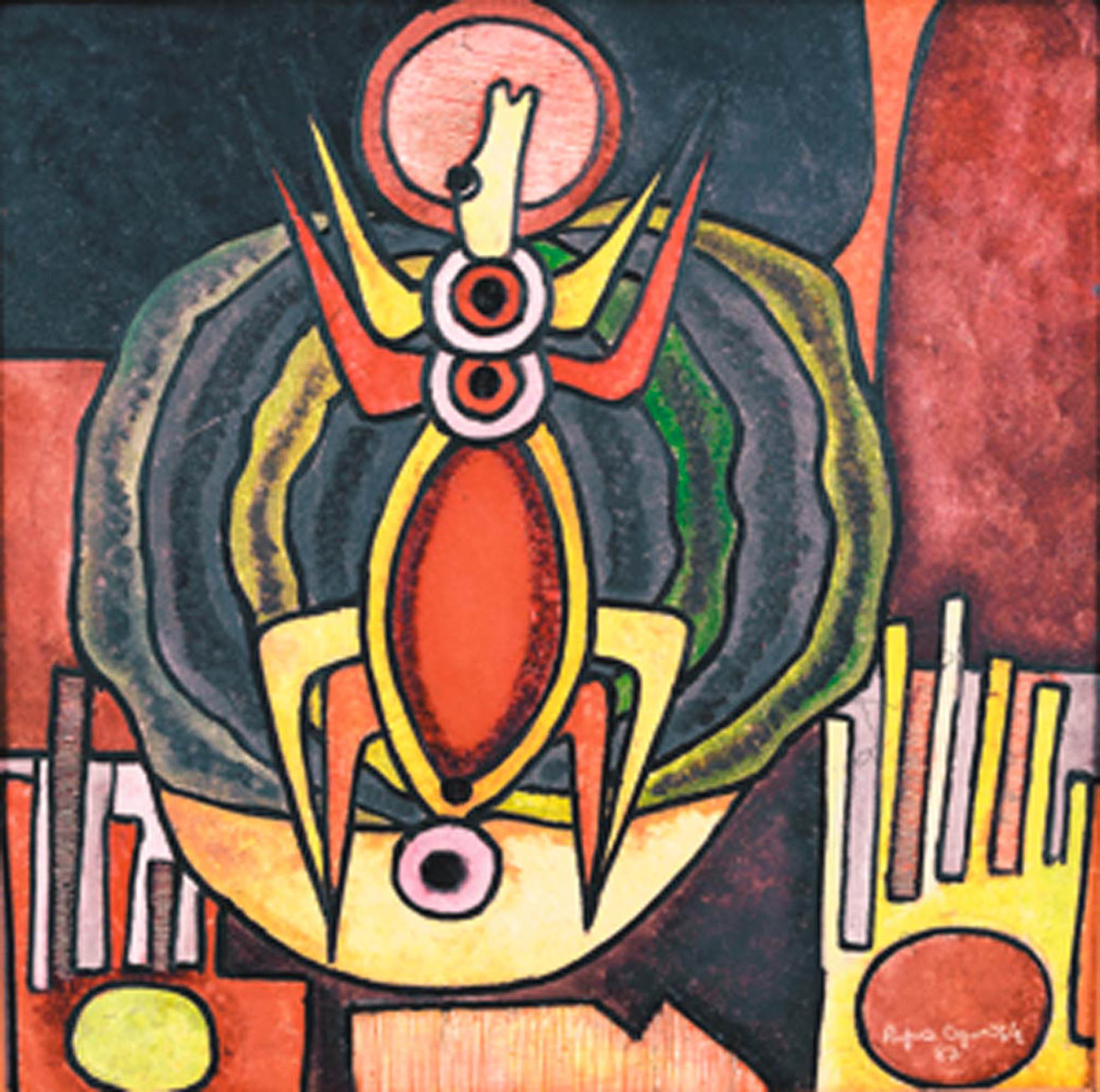 Rufus Ogundele – Spider
Prince Twins Seven Seven was an unforgettable character: flamboyant, charismatic, and immensely talented not only as a visual artist but also as a musician and performer. One evening, he and his troupe of musicians, singers and dancers gave a performance for us and local dignitaries that was utterly mesmerising. We were staying with Nike Davies-Okundaye – herself a world-renowned batik artist and former wife of Twins – who told us, with some amusement, that all the singers and dancers were his wives, though he “only” lived with five at any one time. However unconventional his lifestyle, his artistic legacy is beyond dispute, and I feel privileged to own some of his work.
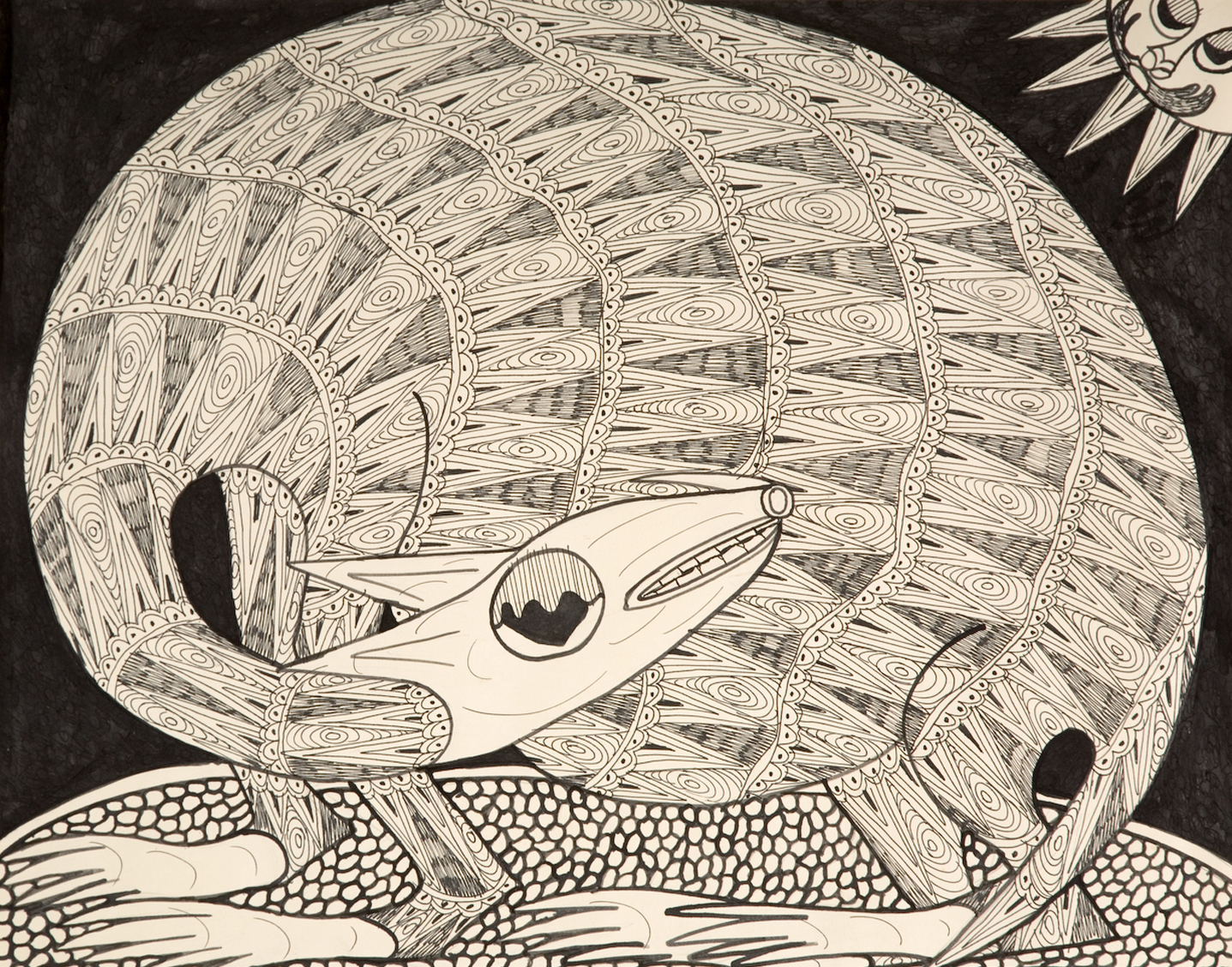 Rasheed Adelodun – Animal In The Zoo
Nike herself is an extraordinary figure. Her batiks and embroideries, which I also live with and love, draw on Yoruba mythology as well as her own experiences and dreams. She has played a vital role in reviving the traditional art of batik and adire (tie and dye) making which had nearly fallen into obscurity by the 1990s. Through workshops and teaching, often offered freely, she has ensured its survival for future generations.
I was fortunate to witness her creative process up close, from first gathering the natural materials to designing, dyeing and finishing the cloth. I also accompanied her and a German documentary team to her hometown of Ogidi, where she organised a spectacular procession of women dressed in traditional adire attire. It was a vivid and moving celebration of cultural heritage.
In addition to exhibiting the work you also offer workshops in stone carving – can you tell us about the workshops and where you source your stone?
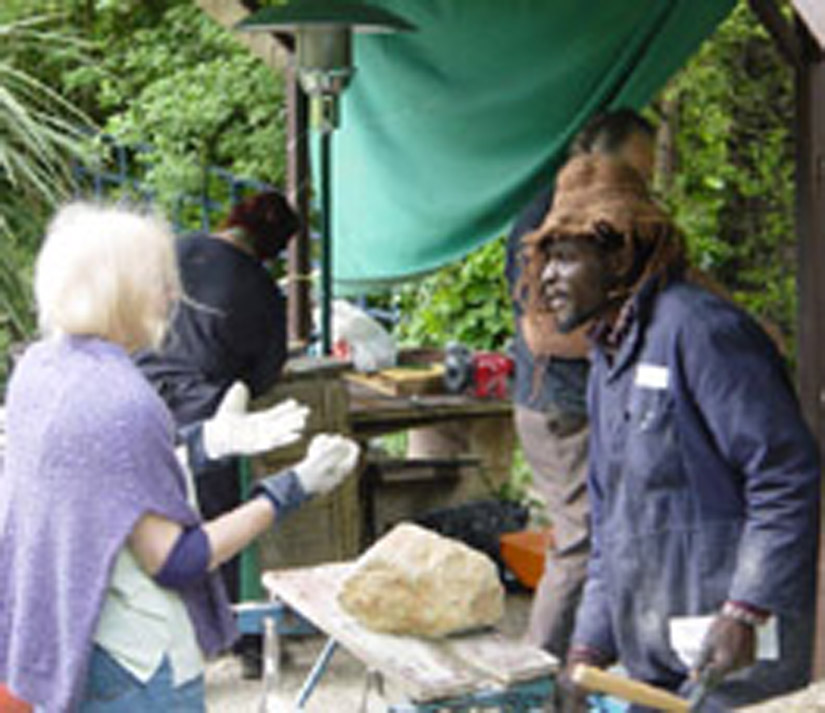
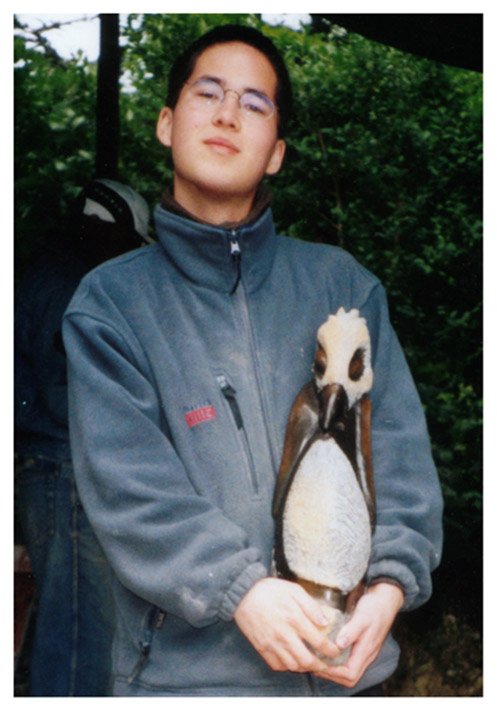
Our stone sculpting workshops, which accompany the Open House exhibitions, have long been an important part of AfricArt. For many years they were led by Zimbabwean sculptors. More recently, something remarkable has happened: former participants have gone on to become professional sculptors themselves. That, to me, is a wonderful legacy.
This year, our final workshops are led by Brett Banks from London.
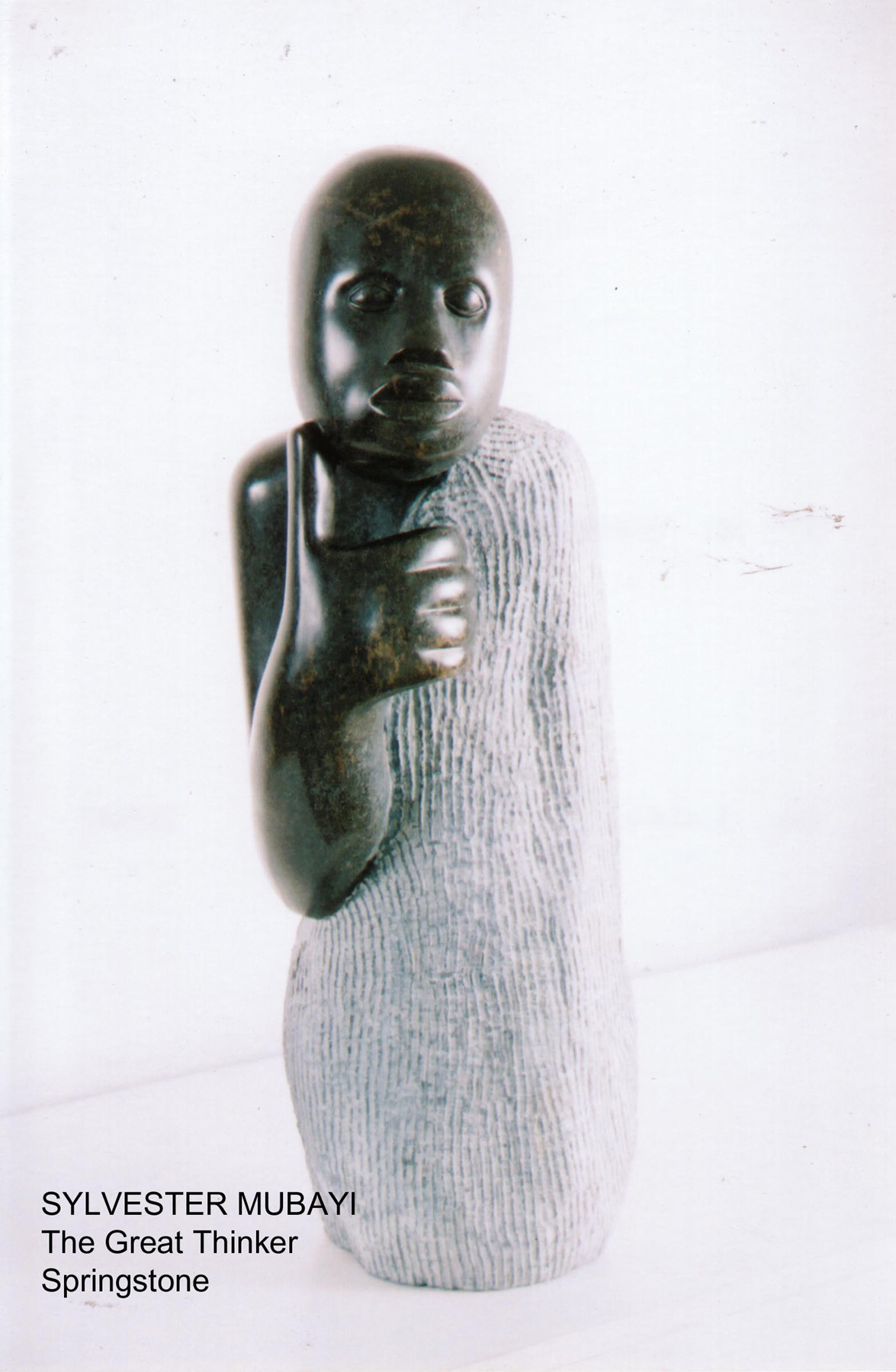
As always, I source the stone myself by visiting various open-cast mines dotted about Zimbabwe’s Great Dyke – a striking 500 km geological formation known for its rich deposits of serpentine. I make sure that we’ll have a wide variety of colourful stone on offer, not only for the workshops but for sale to sculptors throughout the year. The softer and also more colourful forms of serpentine are ideal for beginners, allowing a finished piece to emerge in just a 2-day workshop. Harder stones, such as black springstone, are often preferred by more experienced sculptors, as they allow for finer detail and can be polished to a beautiful high sheen. We also offer semi-precious stones such as verdite and lepidolite, prized for their vivid colours.
 Witness Bonjisi – My New Hairstyle
This will be your last year taking part in Artists Open Houses – will you be doing something special for your final show?
Sadly, these will be our last garden workshops, largely due to the deteriorating condition of the timber pergola that has sheltered them over the years from the unpredictability of the British weather.
This year marks 30 years of AfricArt – and our final Open House and workshop programme. I hope many people will come: to raise a glass, to reminisce, to celebrate shared experiences – whether chipping away at a stone or simply appreciating art. Some may wish to mark the occasion by taking home a piece of that history. Others may be visiting for the first time. To all potential buyers, I offer a simple gesture: everything is half price. What matters far more, however, is something you can’t put a price on: a shared love of art – here, from two very different African cultures that nonetheless speak to each other and sit together so harmoniously – even if I say so myself.
Is there anything else you would like to tell us?
I like to think that, over the past three decades, AfricArt has helped – in its own small way – to bring people a little closer across cultures. That might be Open House visitors discovering and engaging with something new, Nigerian and Zimbabwean artists sharing their work, or Zimbabwean workshop leaders connecting with their British students. And there’s something rather special, too, in seeing some of those students come full circle and become teachers themselves. Nothing grand or dramatic: just a quiet sense of something meaningful continuing.
Visit: AfricArt
18 Redhill Drive, Brighton, BN1 5FH
No. 2 on the Dyke Road Trail