Caroline Pendray from Liberation Art Gallery explains how creativity can help regulate stress, process emotions, and reconnect us with ourselves and others.
Hi Caroline, first of all would you like to tell us a little about who you are and what you do?
Hello my name is Caroline Pendray, and I am a qualified art psychotherapist, and founding director of Liberation Art Gallery. I am HCPC-registered in Art Therapy, and my work sits at the intersection of clinical practice, contemporary art, and community wellbeing. I hold a BA (Hons) in Applied and Media Arts and an MA in Art Therapy, which together shape both my creative and clinical approach.
Alongside directing the gallery, I work with individuals and groups through arts-based clinical intervention, supporting people experiencing trauma, anxiety, grief, depression, and self-esteem challenges. My practice is grounded in the belief that creativity can offer a powerful and accessible route into psychological support, particularly when delivered within safe, ethically boundaried environments.
I come from a deeply creative family, which has naturally shaped my life and work. My mother is turning 80 this year and is a Brighton-based ceramicist, my sister is recognised as a Master saddler, and my brother is a creative writer and poet. My father was a carpenter with an extraordinary intuitive ability for problem-solving, he could even diagnose and fix engines by listening to them! Creativity, in different forms, has always been embedded in my upbringing and everyday life.
Through Liberation Art Gallery, I have developed a hybrid model that brings together a working art gallery, creative workshops, and clinically informed mental health provision under one roof. My focus is on maintaining clear professional boundaries between therapeutic work, community creative engagement, and commercial gallery activity, while ensuring that each strand strengthens the others rather than blurring them. I feel it is incredibly important to highlight here that “Art Therapist” is a legally protected professional title in the UK. This means an individual must have completed recognised postgraduate clinical training and be registered with the Health and Care Professions Council (HCPC) in order to lawfully practise and use the title. Increasingly, there are people advertising themselves as “Art Therapists” or claiming to offer “Art Therapy” without holding the appropriate qualifications, clinical training, supervision, or professional registration. This is deeply concerning, not only because it misleads the public, but because vulnerable individuals may believe they are accessing regulated mental health support when they are not. Creative wellbeing workshops and arts facilitation can all hold enormous value, but they are not the same as clinical Art Therapy. Clear distinctions matter for public safety, ethics, and the protection of both practitioners and participants.
At its core, my work is about creating spaces where people can engage with art in multiple ways, as viewers, makers, collectors, and participants in therapeutic support, all within a setting that values professionalism, safety, creativity, and human connection.
Would you like to tell us a bit about your Open House and how you selected the artists who took part in your recent gallery exhibition?
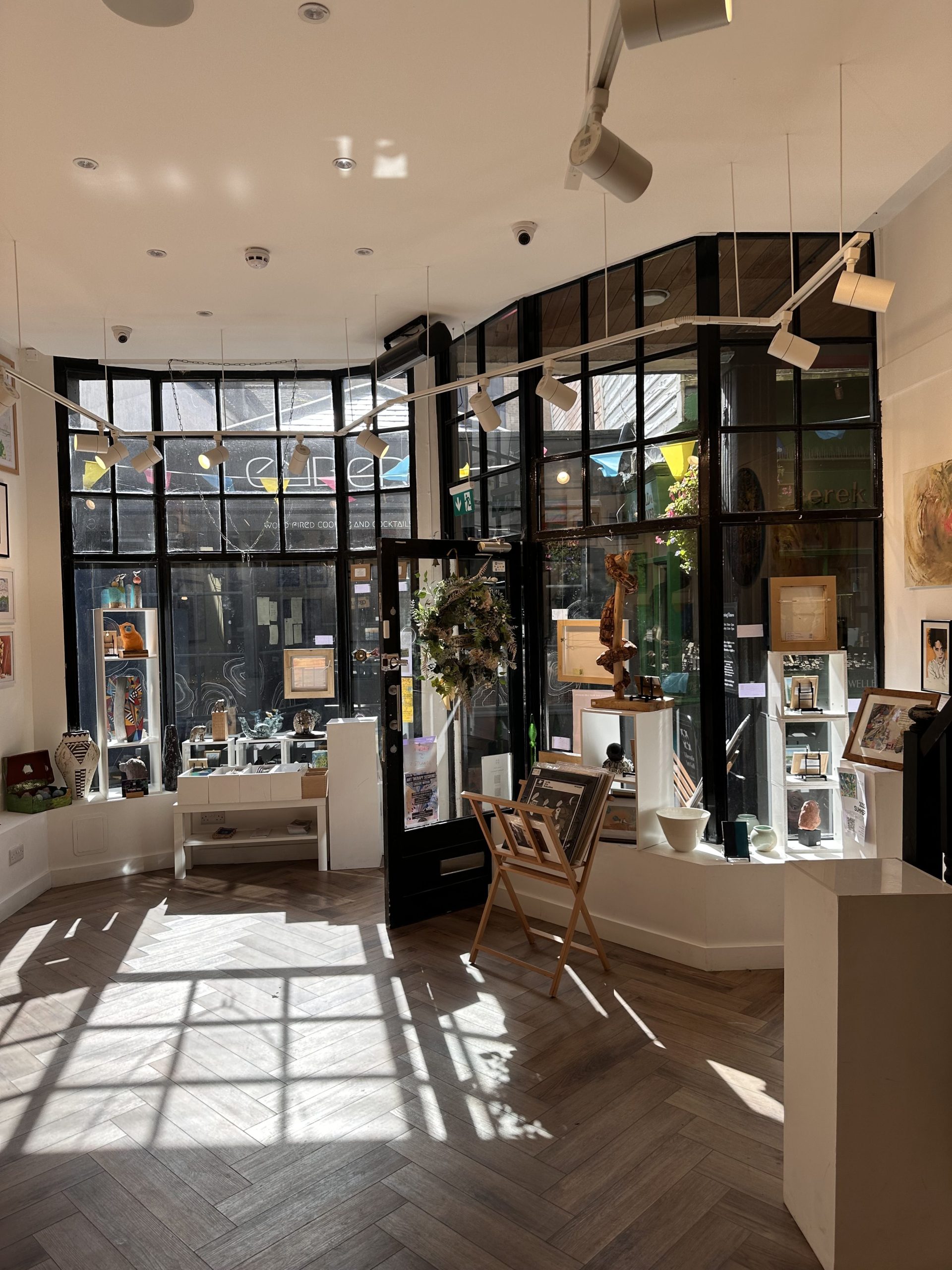
Our Open House exhibition brought together a diverse group of artists working across painting, ceramics, printmaking, illustration, mixed media, sculpture, and contemporary craft. We wanted the exhibition to reflect the energy and diversity of Brighton’s creative community while also championing artists at different stages of their careers.
The artists taking part this year were selected by Ruth Egon, a brighton based resident artist here at Liberation Art Gallery. The artists were chosen not only for the quality of their work, but also for the individuality of their creative voice and the way their work connects emotionally with audiences. As a working gallery, we are passionate about creating opportunities for emerging artists alongside more established practitioners, helping visitors discover original artwork they may not encounter elsewhere.
You also hosted hands-on creative workshops throughout the festival period, can you tell us what opportunities visitors had to get involved?
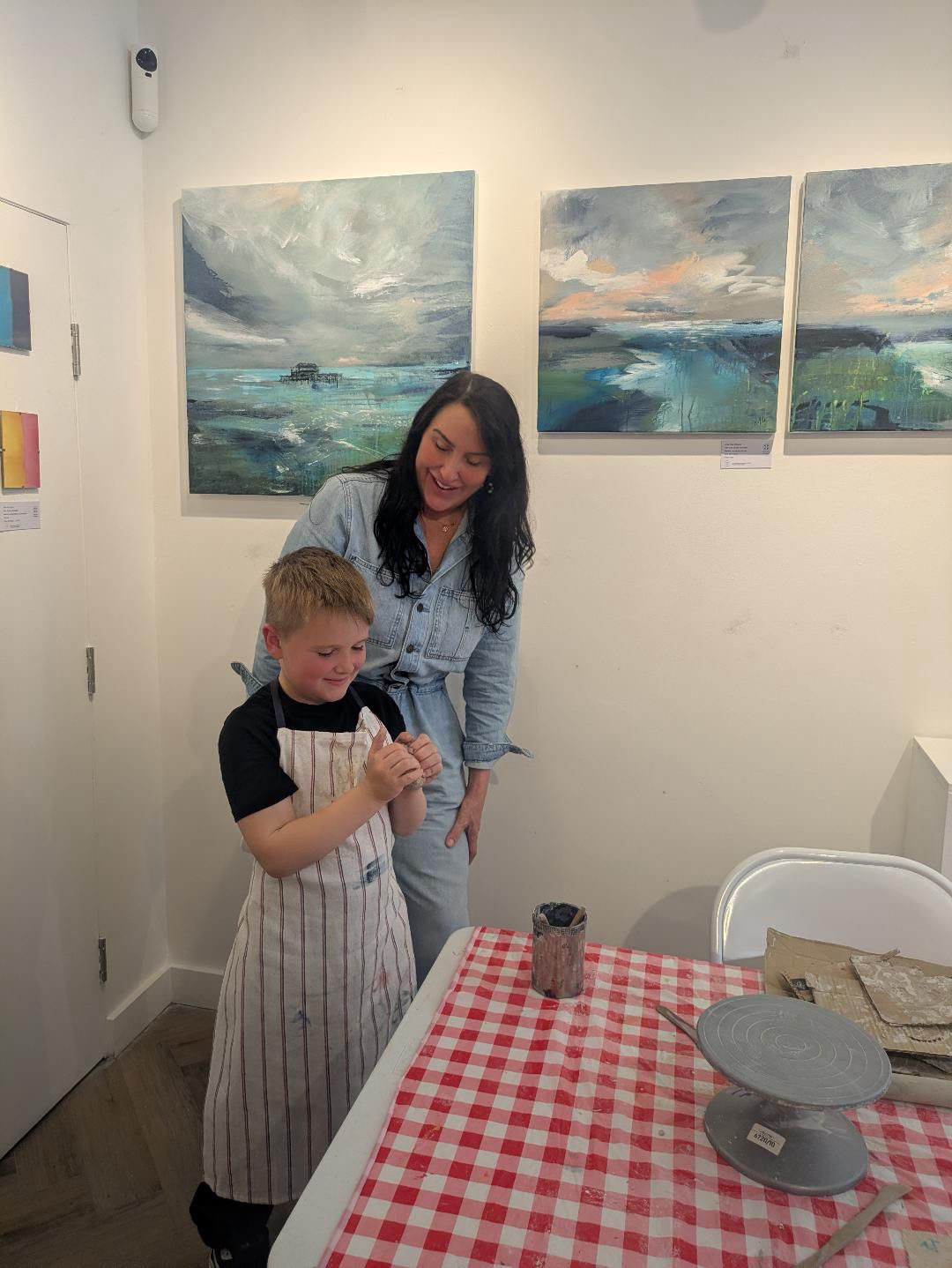
Throughout the festival period we hosted a wide range of hands-on creative experiences designed to make creativity accessible to everyone, including pottery workshops, mosaic making, printmaking, painting sessions, and family-friendly activities.
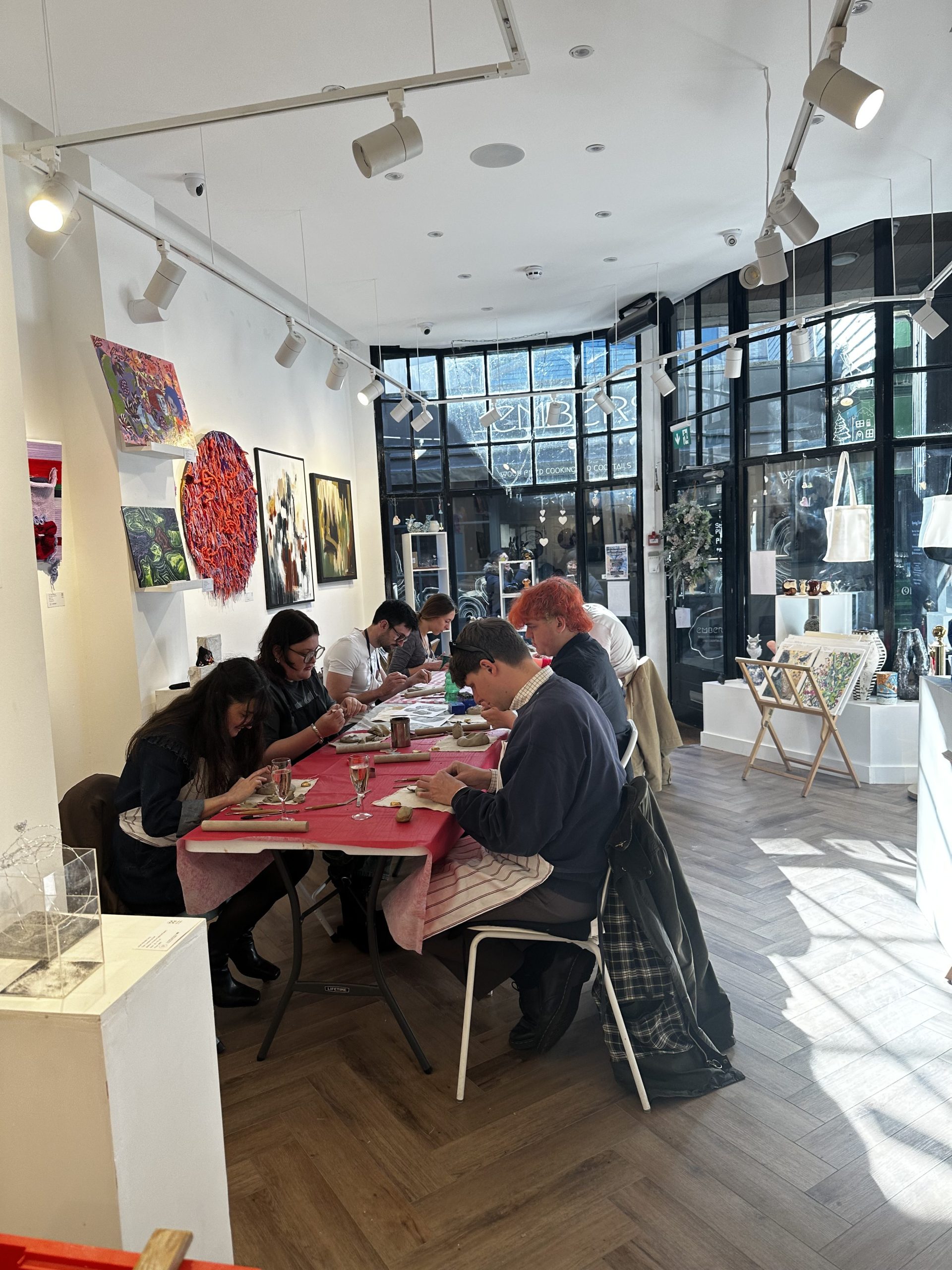
Visitors can take part regardless of previous experience, and many of the sessions are focused on process, exploration, and enjoyment rather than pressure or perfection. We really want people to feel welcome to come in, slow down, try something creative, and experience the therapeutic benefits of making.
Alongside our public workshops, we also continue to develop arts and wellbeing opportunities and creative sessions with therapeutic underpinning, helping create a safe, supportive, and inclusive environment for participation.
Tell us about the Community Canvas!
The Community Canvas is a collaborative artwork that invites visitors to contribute their own mark, message, drawing, or expression throughout the festival. It is a simple but powerful reminder that creativity belongs to everyone and that art can bring people together.
Some people contribute something playful, others something reflective or deeply personal, but collectively it becomes a visual representation of community, connection, and shared experience. We love seeing how the piece evolves over time as hundreds of different people leave their mark.
Artists and visitors are also encouraged to sign the back of the canvas as part of the project’s shared story. Once completed, the canvas will later be auctioned to help raise essential funds for an improved safer storage cupboard space for art materials and supplies used within our creative workshops and community programmes at Liberation Art Gallery.
What are the main benefits that you feel creativity brings to mental health and well-being?
Creativity can support mental health and wellbeing in so many ways. It can help people slow down, regulate stress, process emotions, improve confidence, and reconnect with themselves and others. Creative activity also creates opportunities for processing and reflection, self-expression, achievement, and social connection.
Importantly, creativity is not only valuable for people who identify as artists. Engaging in the creative process itself can be beneficial regardless of skill level. Sometimes simply making something with your hands, experimenting without judgement, or spending time in a welcoming safe creative environment can have a significant positive impact on wellbeing.
We also feel it is important to distinguish between wellbeing-based creative activities and formal Art Therapy. While both can be valuable, Art Therapy is a protected title and a regulated clinical profession, delivered by qualified HCPC-registered practitioners, and we are proud to work alongside qualified professionals providing this support within the gallery environment.
Is there anything else you would like to tell us?
We would love to encourage people to visit independent creative spaces and support local artists wherever they can. Spaces like Liberation Art Gallery rely heavily on community support, and every workshop booking, artwork purchase, visit, and conversation genuinely helps sustain opportunities for artists and accessible creative programmes within the city.
Whether someone visits to buy artwork, join a workshop, or simply spend time in a creative environment, we hope they leave feeling inspired, welcomed, and more connected to the arts.
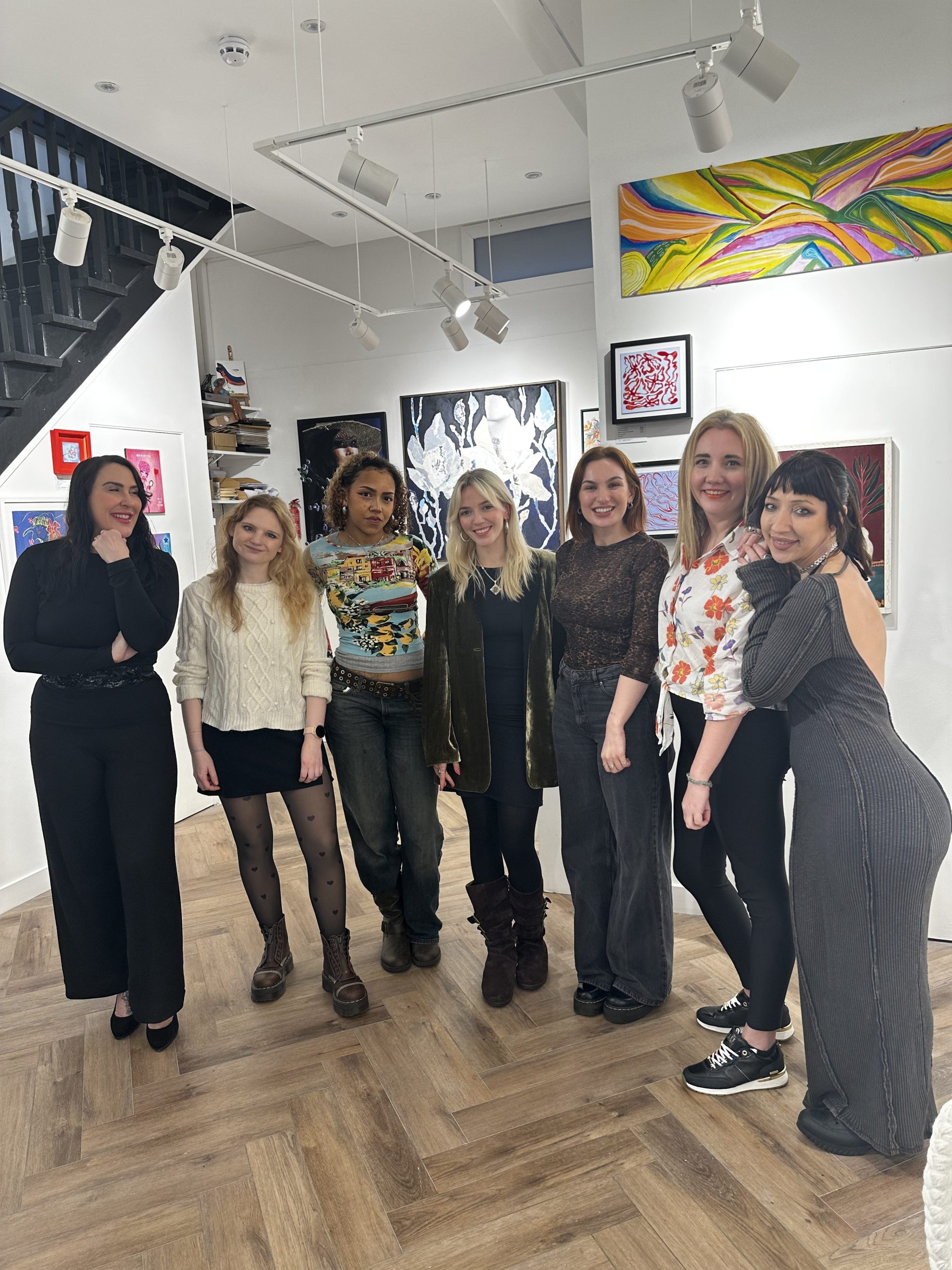
This work would not be possible without the support of an incredible team of individuals at Liberation Art Gallery. I am deeply grateful to the following amazing creatives- Courtney Budd, Alice Twamley, Sarah Ellis, Naomi Rule, Ruth Egon, Amber Boyes and my daughter Harmony Alexander. Thank you ❤️
Although the AOH festival is now over you can still visit Liberation Art Gallery and find out more at:
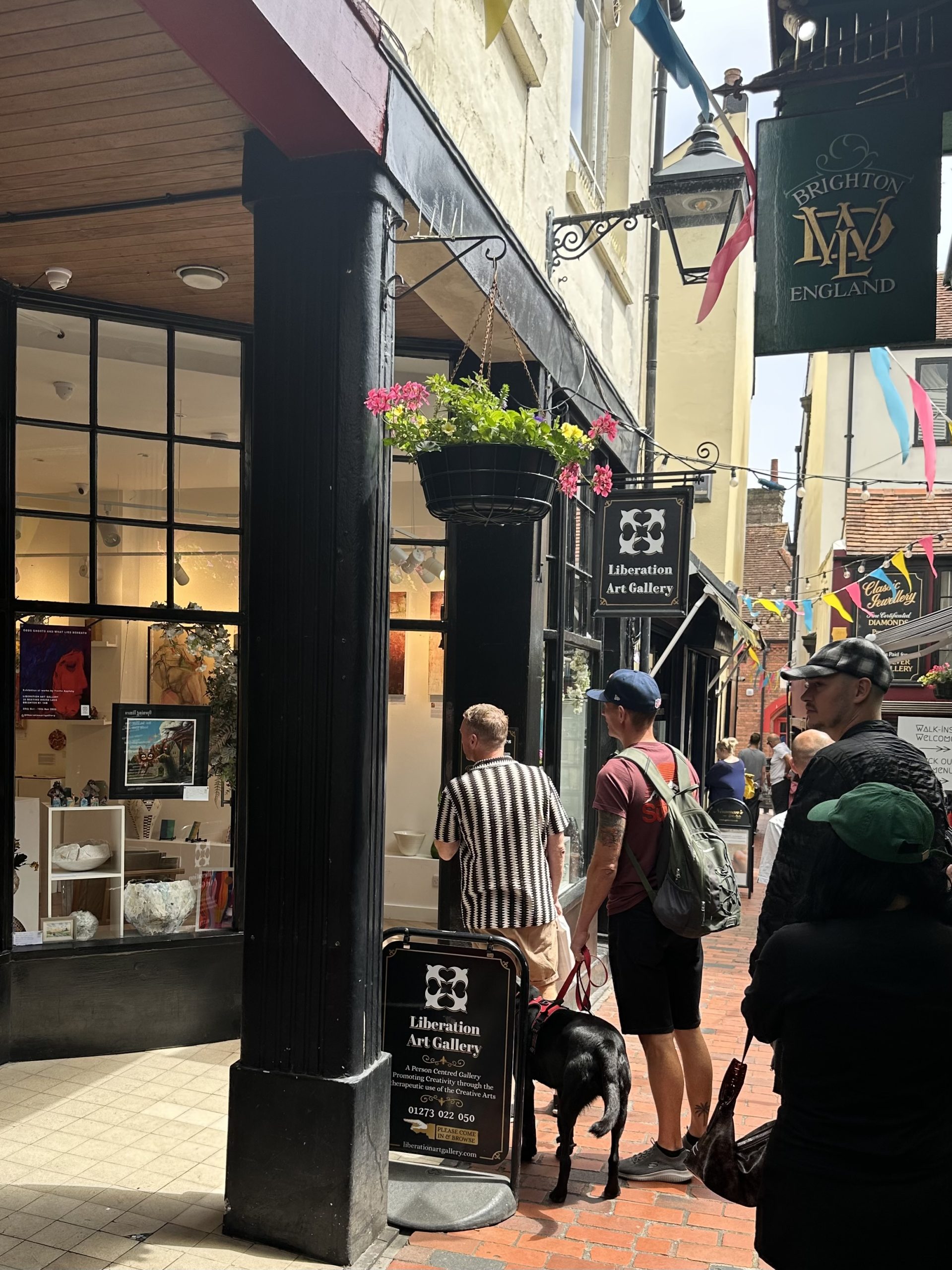
Liberation Art Gallery
38 Meeting House Lane, Brighton, BN1 1HB