
AOH talks to Wach’Art’s Jean Jules Wachter on: Supporting Brighton artists beyond the exhibition
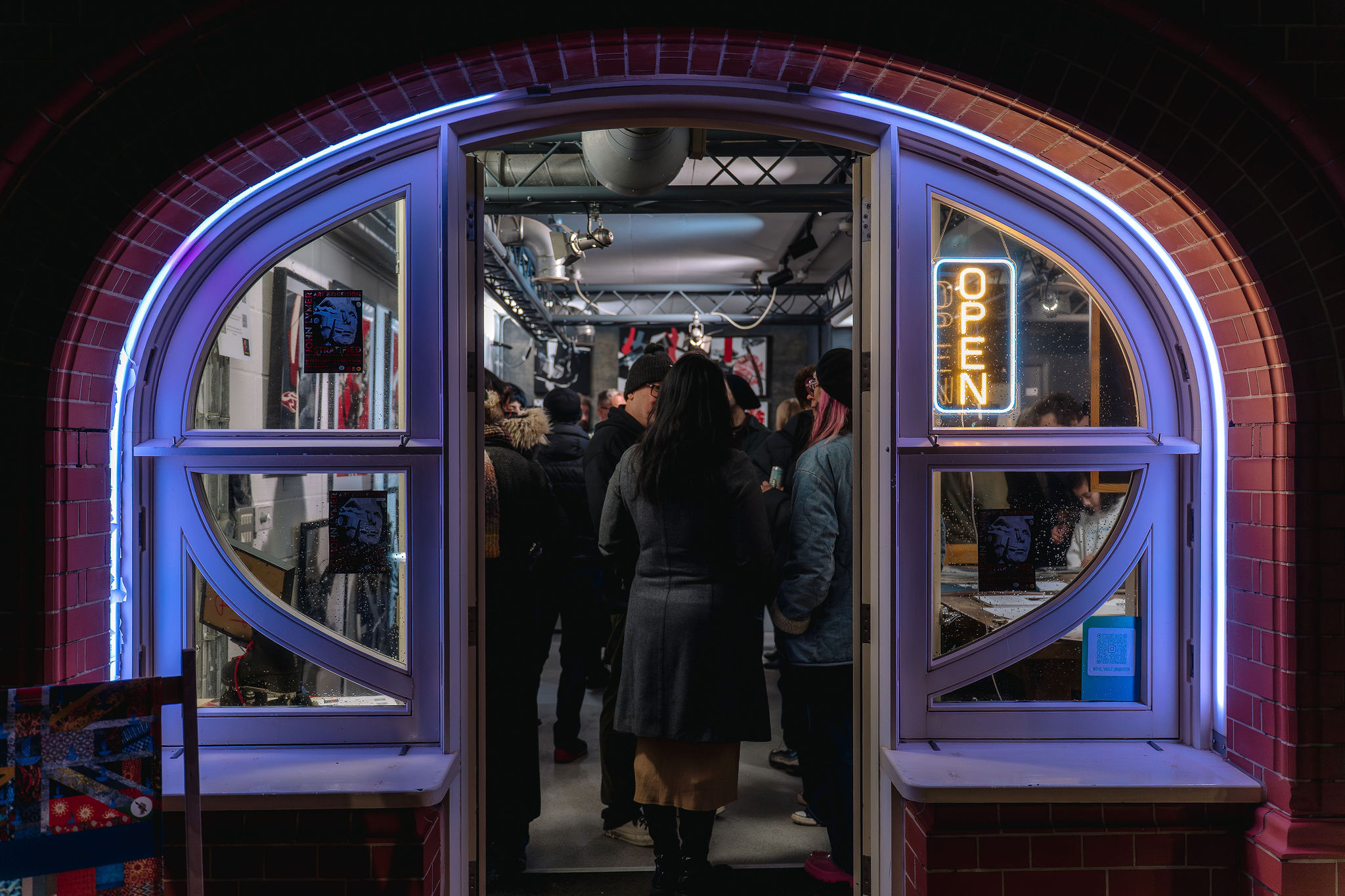
We asked Jean Jules Watcher to tell us about Wach’Art’s September civic exhibition and what lessons it taught about why participation matters alongside sales, and how local collectors can support artists before recognition arrives.
Mid Street Lab has been running for three years now. Would you like to outline briefly your major aims and vision for the project and how Wach’Art grew out of this?
We opened Mid Street Lab because artists needed somewhere to develop work between exhibitions. Preparing a portfolio, testing prices or finding collaborators takes time and support, yet much of the attention goes to the opening night. Wach’Art grew from wanting to support that less visible work.
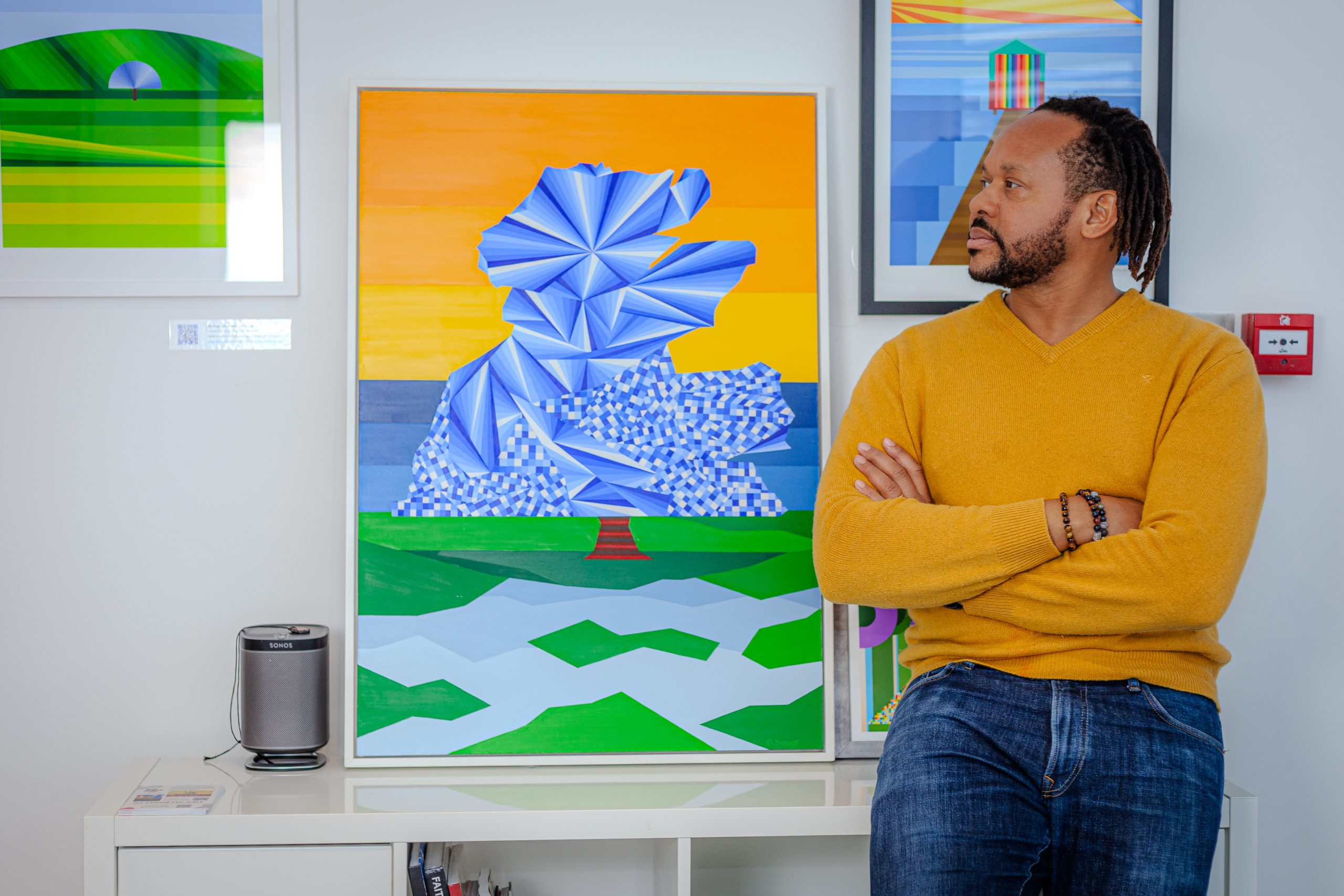
My experience in financial services informs how we organise resources; social anthropology makes me question who can access them. Affordable space matters, but so does having someone explain an opportunity, offer informed feedback or introduce you to a curator.
You describe Wach’Art as a bridge creating links within the arts ecosystem of the city. Would you like to tell us a little about how this works?
This Is My Brighton brought together 38 artists and 69 artworks, attracting over a thousand visits in September. Sales increased by 20%. Four changing themes allowed different accounts of the city to share the same space, rather than asking artists to compete around a single interpretation.
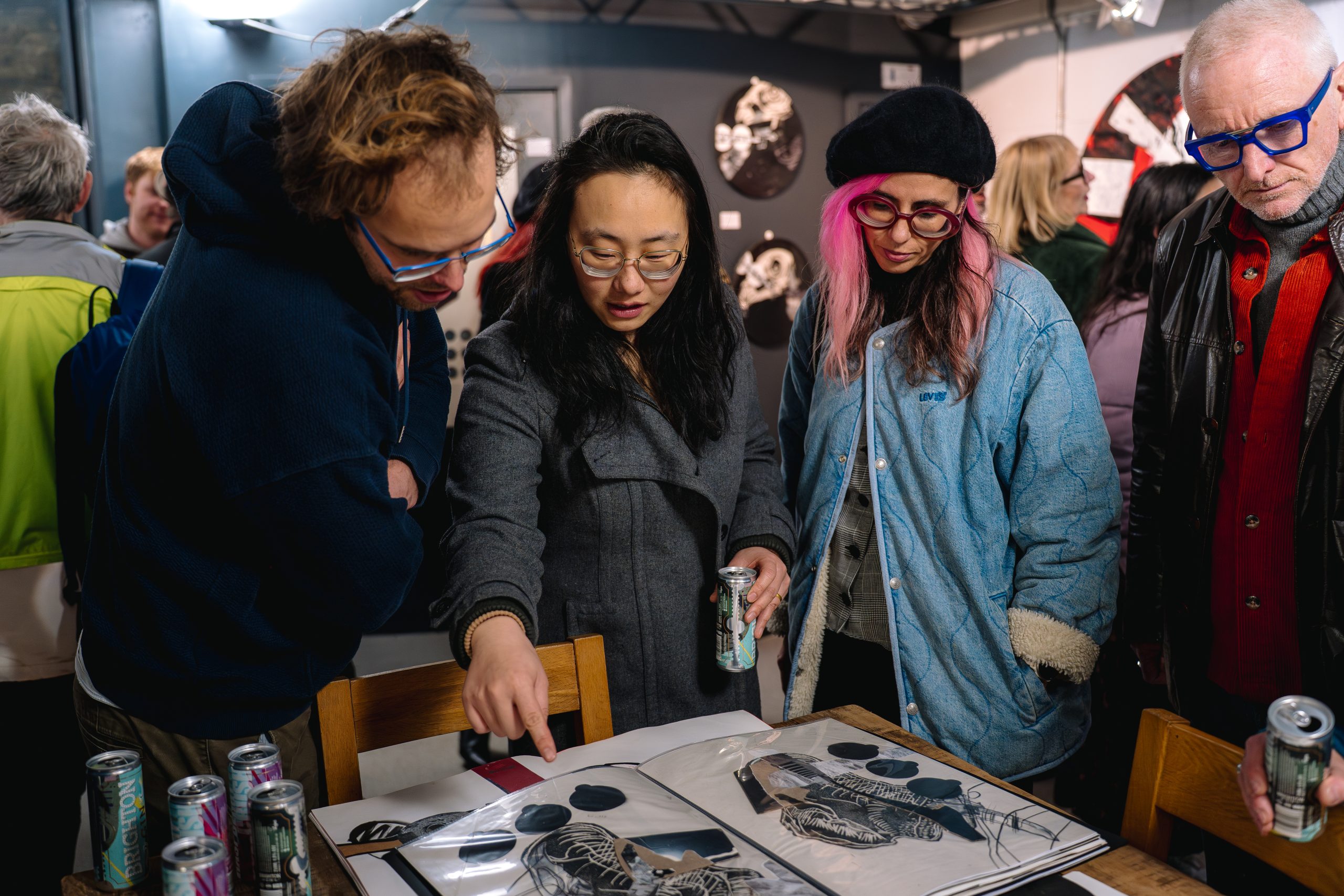
Lucy Day from Phoenix talk connected participants with professional insight, while relationships with AOH, Phoenix Art Space and other partners help us introduce artists beyond our own venues. The test is whether an introduction leads to something an artist can use: advice, a collaboration, a sale or another exhibition.
You have a specific focus on supporting and mentoring young and emerging artists. Can you tell us a little more about the support you offer?
Emerging describes a stage of practice, not an age. Support might mean documenting work properly, understanding commission, setting prices or explaining a practice to a buyer. Our proposed 80/20 model concentrates on emerging artists while involving experienced practitioners as mentors and paid collaborators.
For 2027, we are developing training in pricing, presentation and professional obstacles, alongside peer groups that can connect skills with paid projects. We are also developing artist-designed merchandise: lower-priced work gives visitors a way to buy locally and artists a potential income beyond original sales.
You are interested particularly in purposeful or useful art. Could you explain what kind of art this might include?
Our Photo Fringe 2026 programme, Where We Are: Place, Presence and Belonging, considers whose experiences become visible. Dr Gil Mualem-Doron’s opening movement 1-15 September used socially engaged photography, textiles and testimony to examine identity and belonging, including queer and trans experiences. His talk and Q&A with Photo Fringe Producer Ricardo Reverón Blanco opened those questions to the audience.
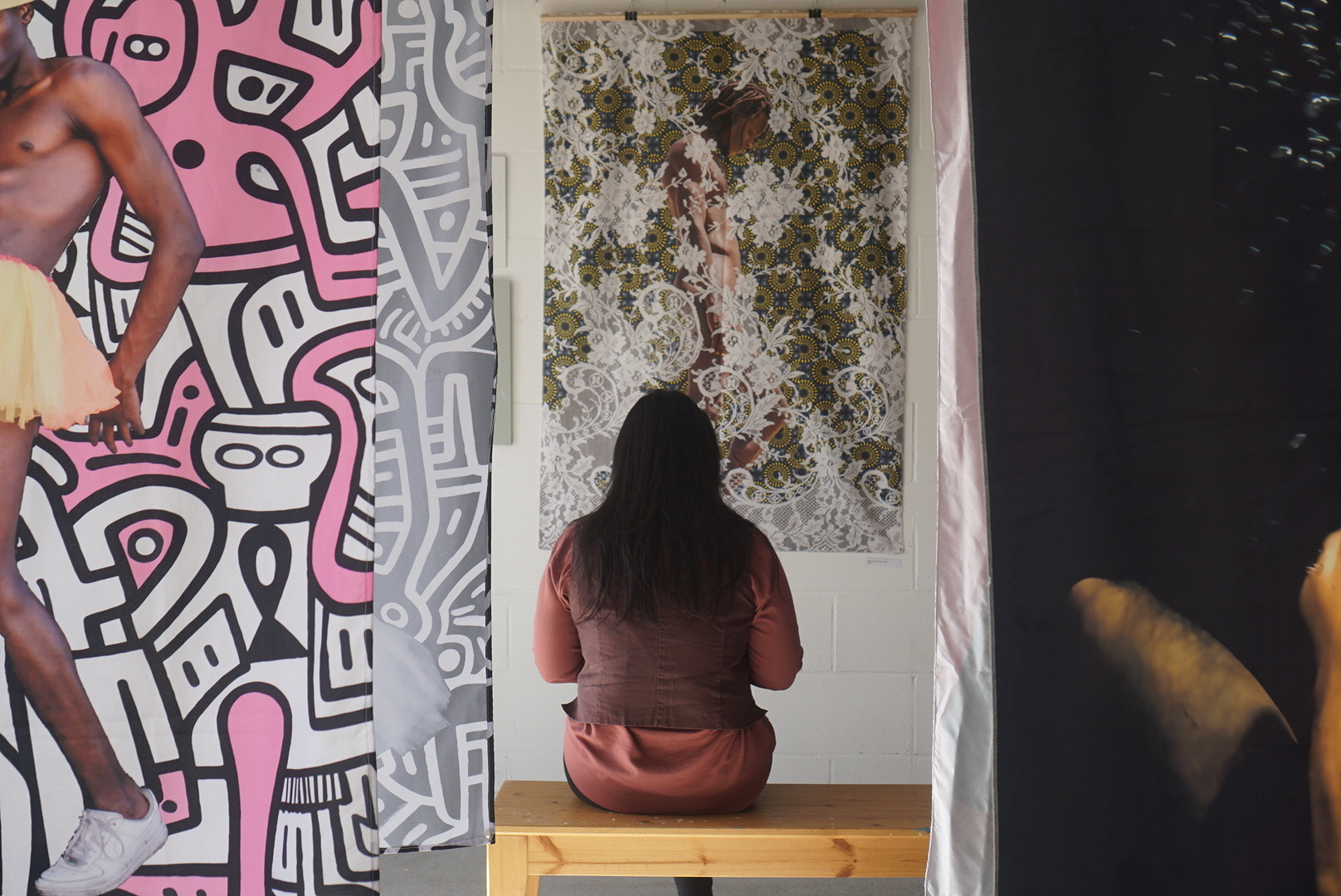
Kathy Williams now leads a collaborative second movement 22-31 September in which visitors contribute photographs and responses that change the installation. We are also very proud to welcome works from J.J. Waller and Emma Crosby. Participation gives people some authorship over how their city is represented. This is not always the most profitable use of a gallery. Being relevant means making room for work artists and communities need, including when its value exceeds what we can sell.
Creating sustainable cultural projects can be quite tricky in these times. Can you tell us about your model for bringing people together for this purpose?
We are giving each venue a clearer role. The Kemptown Creative and Wellbeing Lab will offer bookable space for creative work, workshops and practitioners, with a window gallery. The Vault will concentrate our public exhibitions and events on the seafront. Hire, memberships and workshops are intended to help cover costs alongside sales, grants and sponsorship.
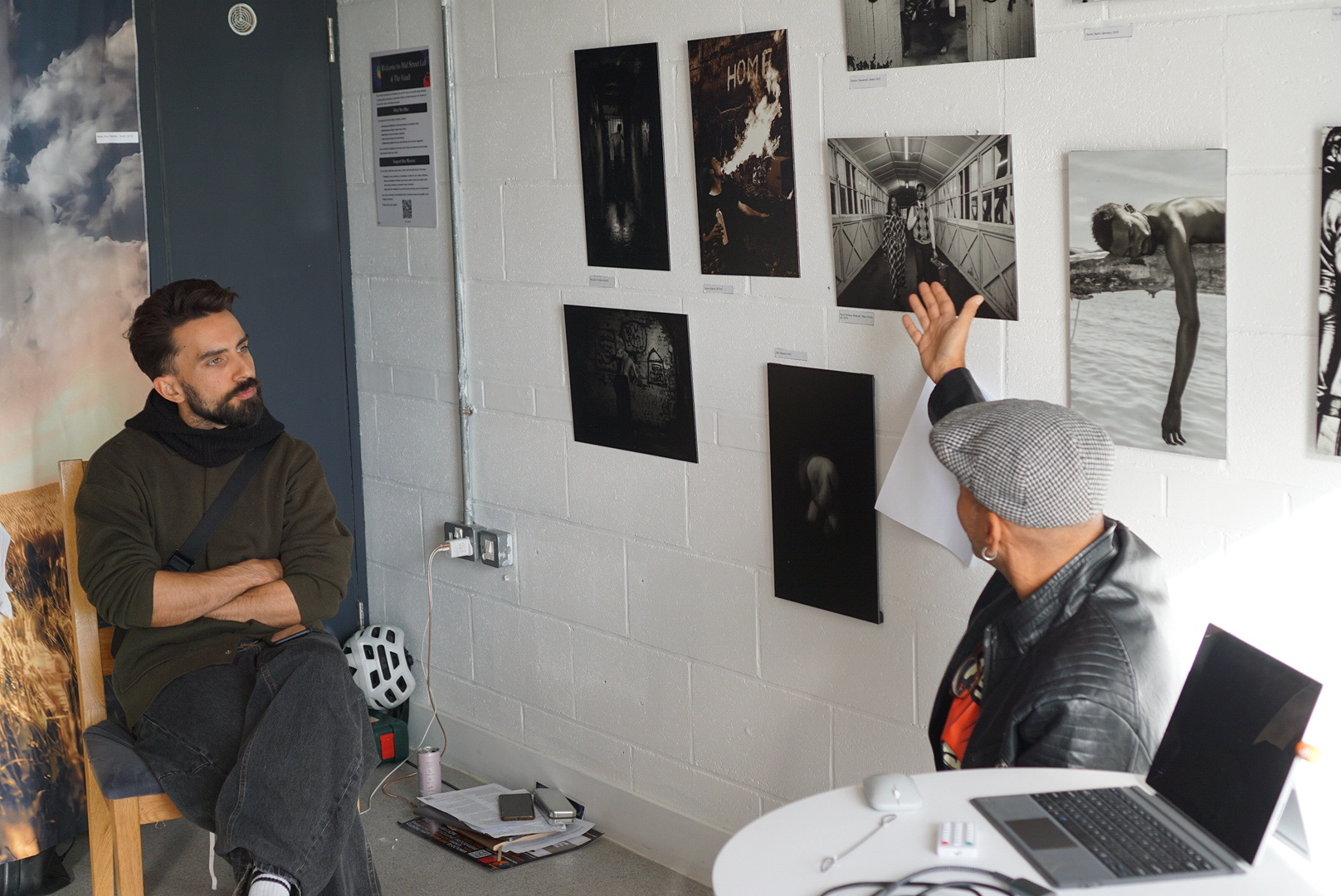
We are building a circle of patrons, collectors and sponsors, preferably local, willing to support talent before wider recognition. I think Brighton could nurture a generation of Impressionists: artists developing through proximity and exchange. That is a more useful ambition than waiting for one “next Picasso”. A commission or purchase now can give an artist time to make the work for which they may later be recognised.
Finally can you tell us briefly some of your major plans for the future?
Our priority is to give artists affordable space, practical development and routes into paid work. The Kemptown Creative and Wellbeing Lab will offer bookable space for making, recording, workshops and wellbeing practice, alongside its window gallery. The Vault will focus on exhibitions, talks, peer groups and opportunities to meet collectors.
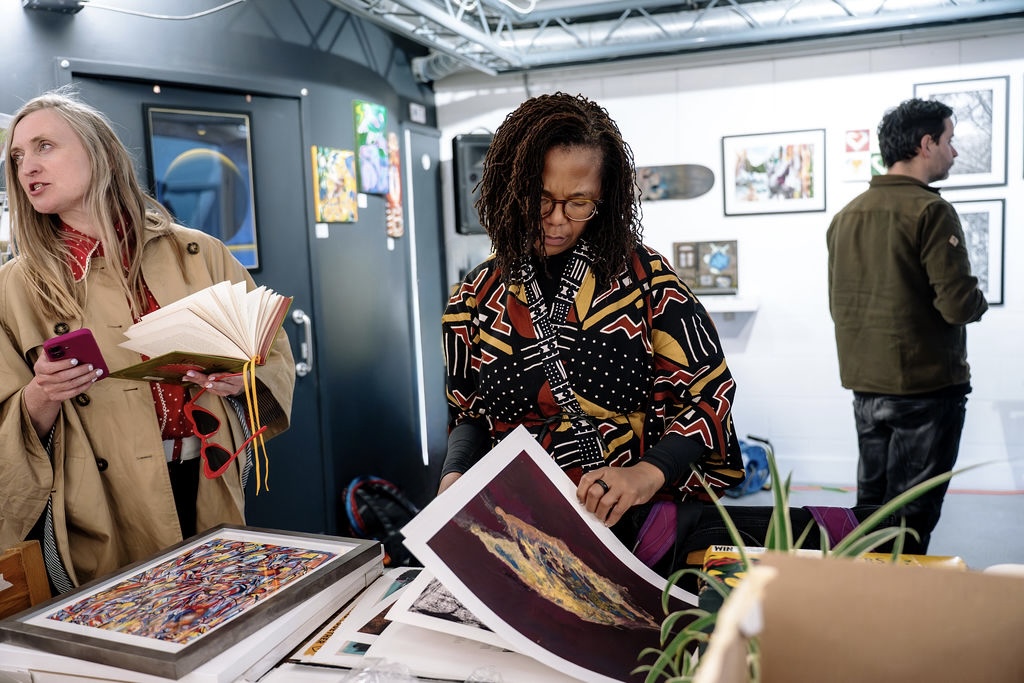
The autumn programme is already busy: Johanna Berger Coming Into The Light’s collector tour, a quieter artist encounter on 24 October at N9 Gallery, for private visitors considering an acquisition or commission. After Life Community Celebration on 31 October, Marije Brom’s The Weight of Stillness in November, then our December winter programme along with Artist Open House. We can’t wait to share more details in our next newsletter and would like to invite the AOH readers to subscribe at www.midstreetlab.com for opportunities, invitations and credit towards an artwork purchase.
For collector enquiries, bookings and partnerships: 07483299967 |[email protected] | www.midstreetlab.com